Complete-Line Solutions
Complete wet processing, drying, and packaging lines configured for each user.
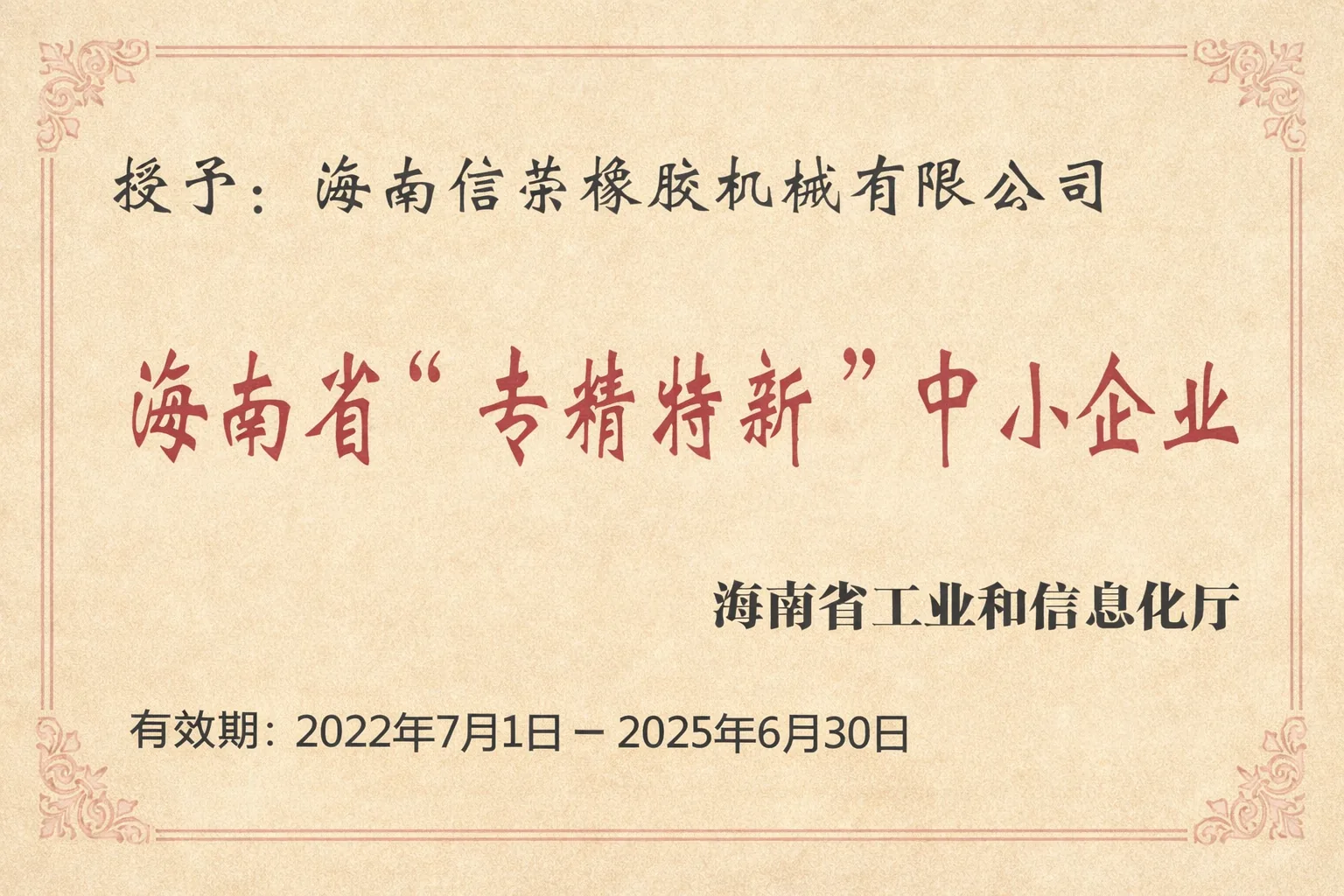
Hainan Sinyoung Rubber Machinery Co., Ltd. is a China-based rubber processing machinery manufacturer supplying complete production lines. The Sinyoung engineering team has worked in the field since 1994, supplying rubber processing machinery for TSR 10/20 natural rubber processing, automatic rubber bale packaging, and synthetic rubber baling and packaging to users worldwide. Review our documented project cases and manufacturing capability, R&D and patents.
Complete wet processing, drying, and packaging lines configured for each user.
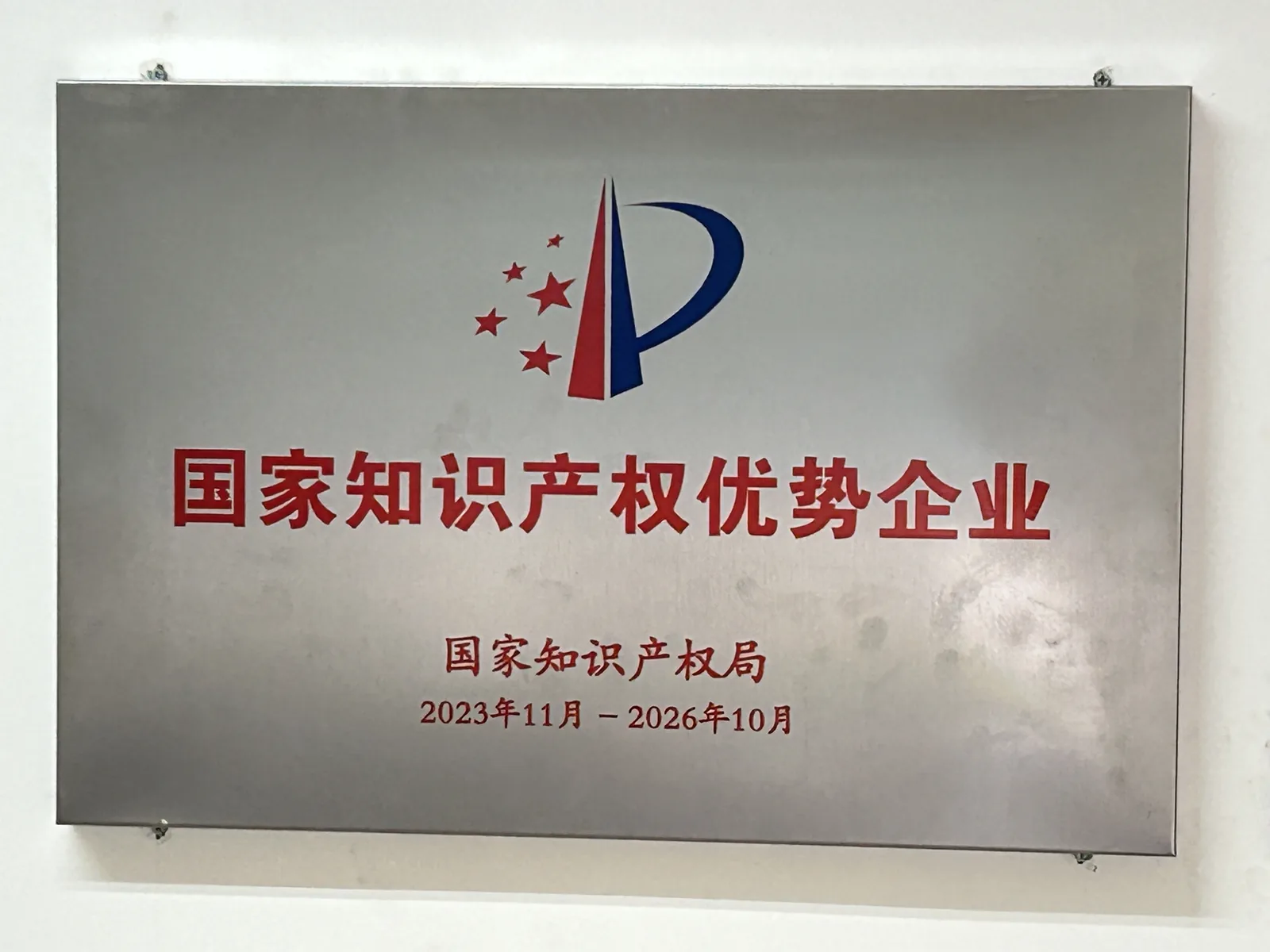
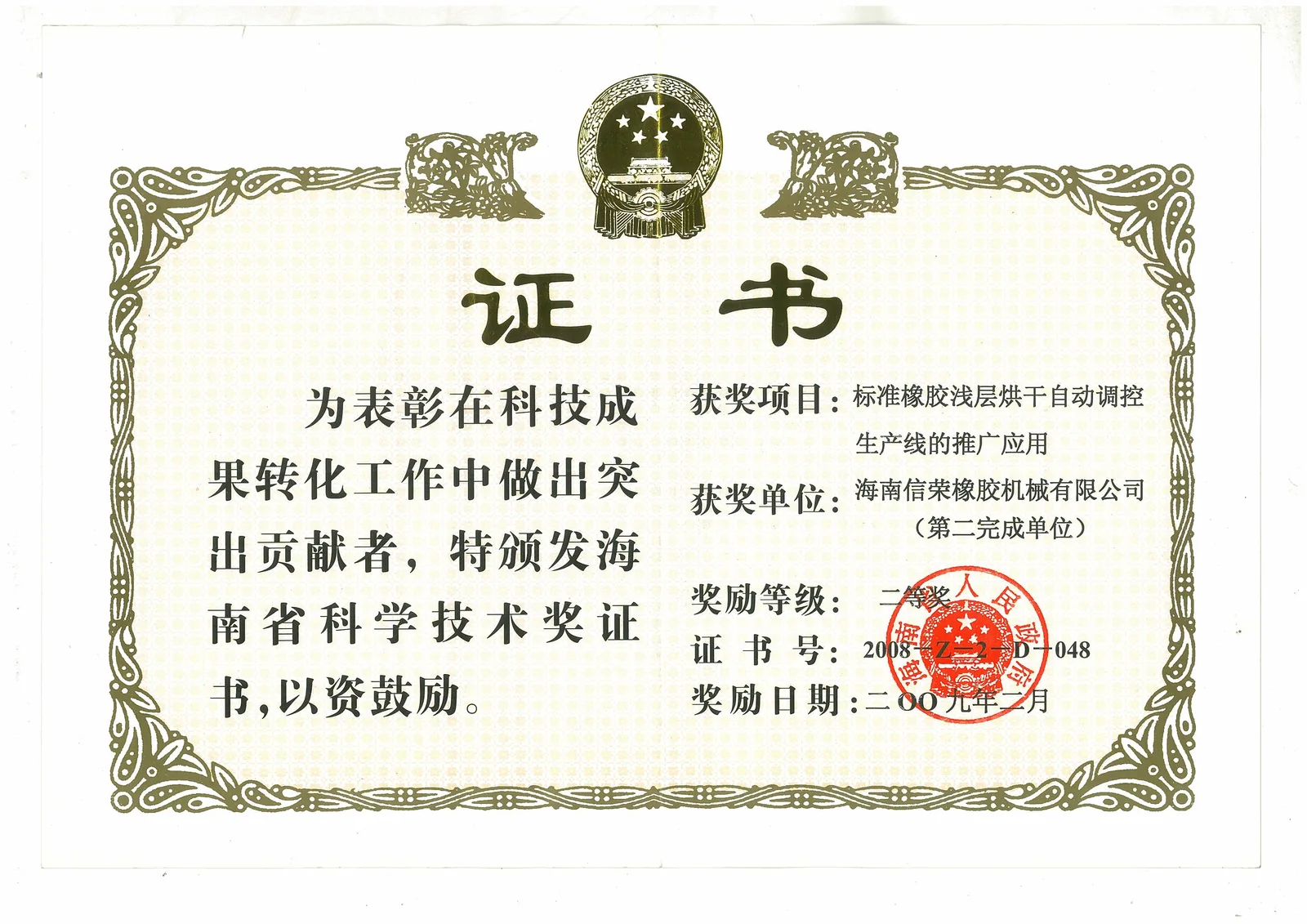
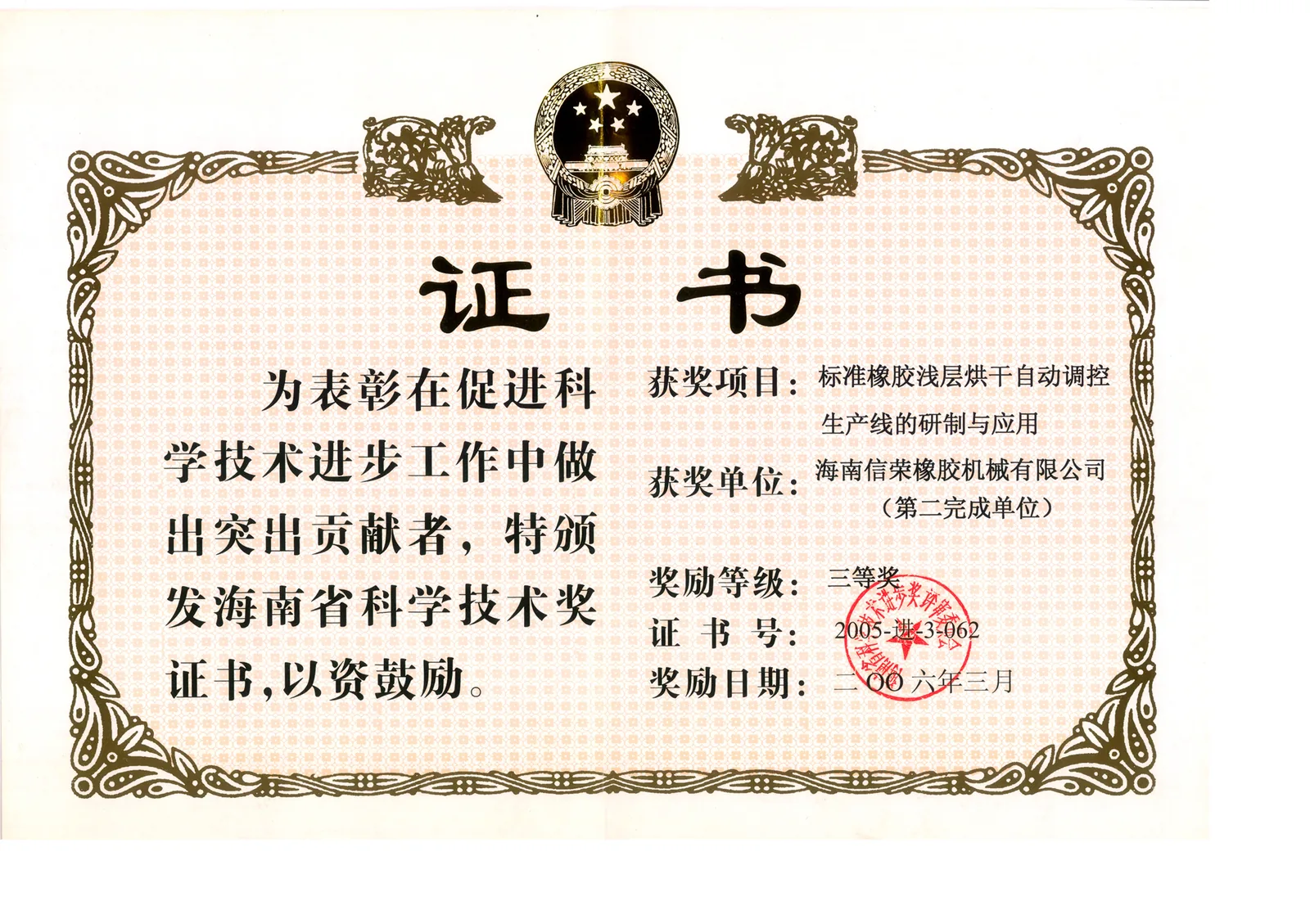
16 authorized patents, including 4 invention patents, supporting continued automation upgrades in rubber processing equipment.
Engineering support in major rubber-producing regions including Africa.
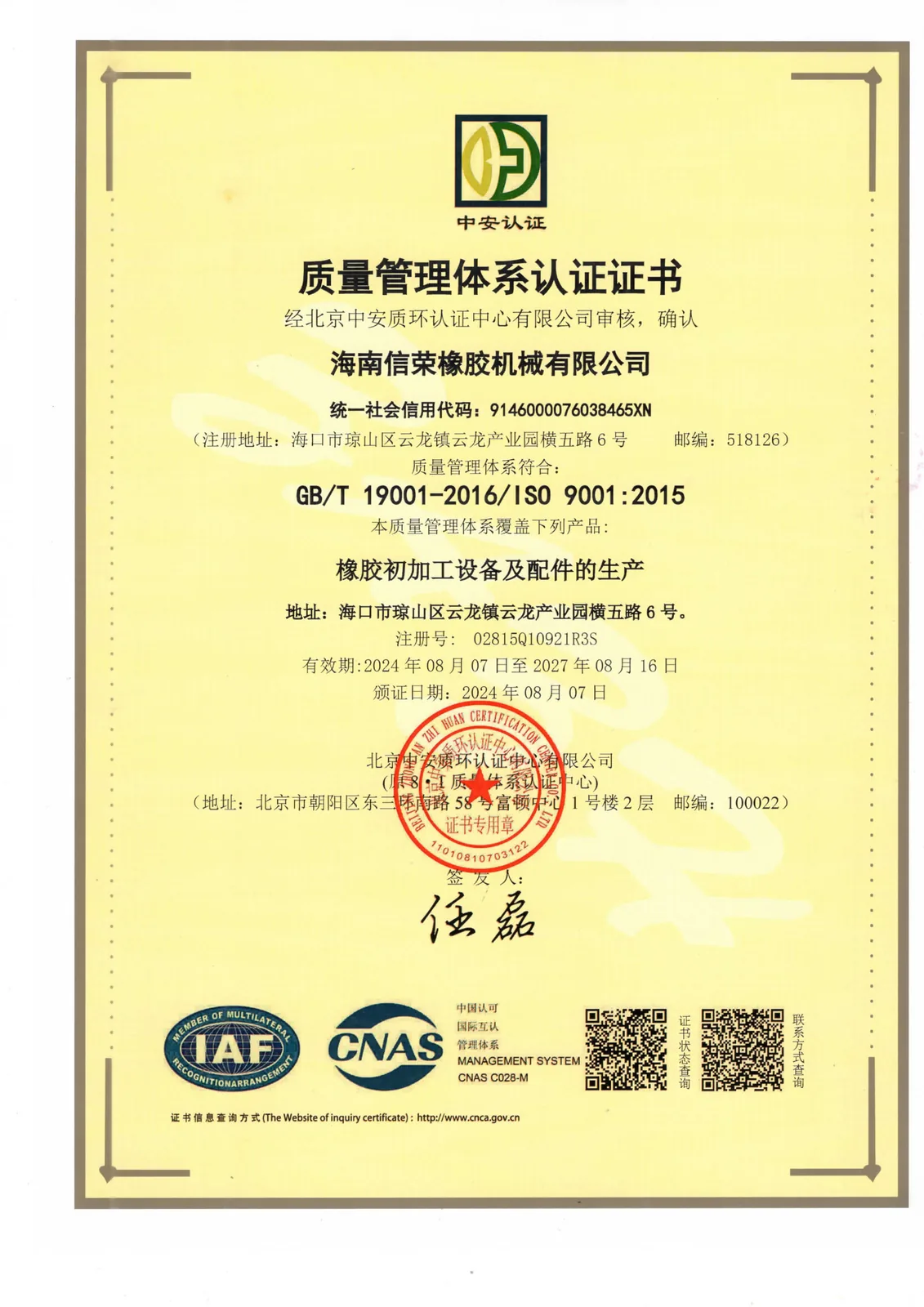
ISO 9001 quality management and ERP-based process control support equipment reliability.
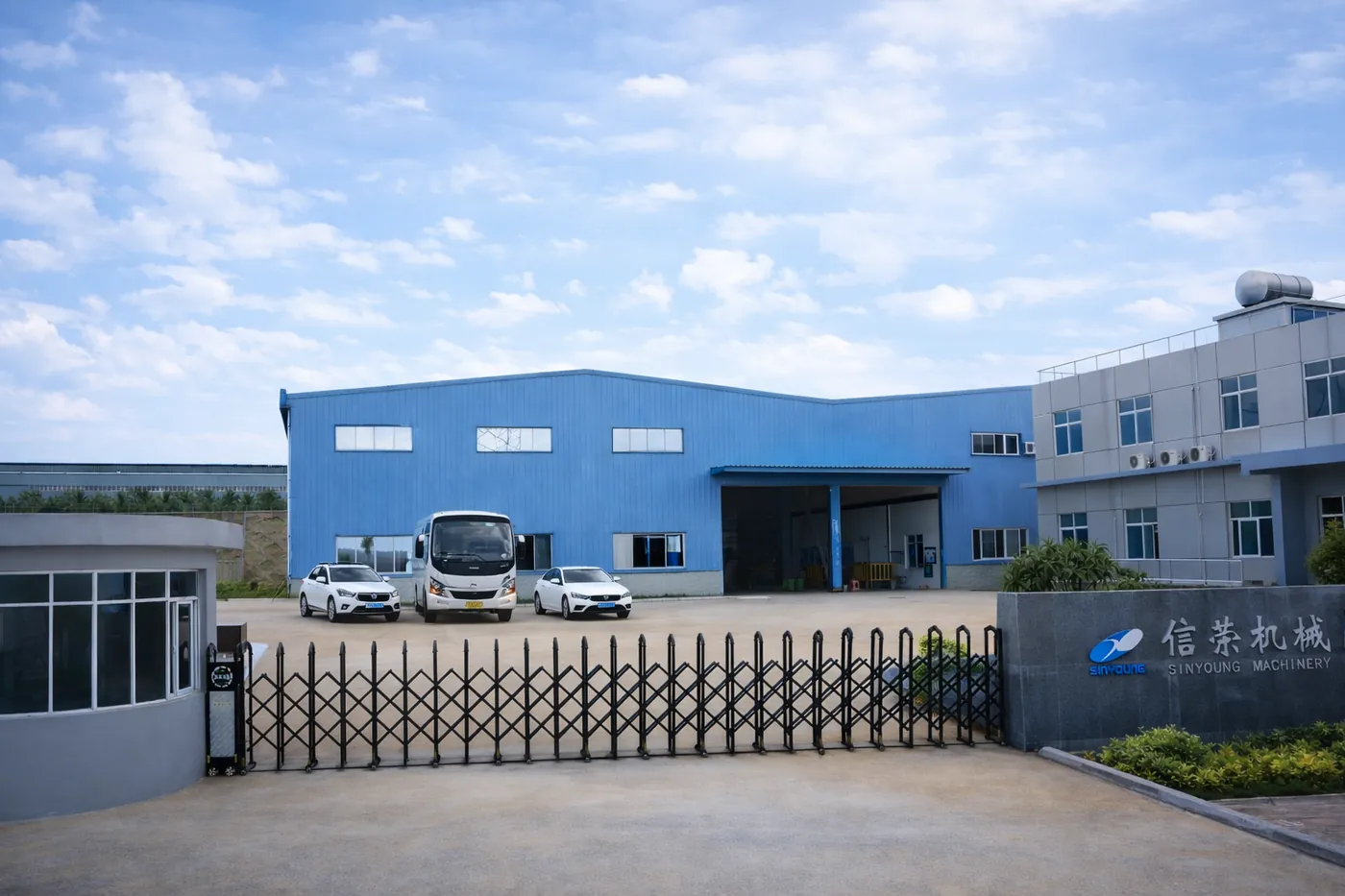
Hainan Sinyoung Rubber Machinery Co., Ltd. is located in the Haikou National High-Tech Industrial Development Zone and specializes in the R&D and manufacture of rubber-processing equipment and complete-line solutions. The Sinyoung team has worked in rubber-machinery engineering since 1994 and has supplied efficient, reliable production lines to more than 100 users worldwide.
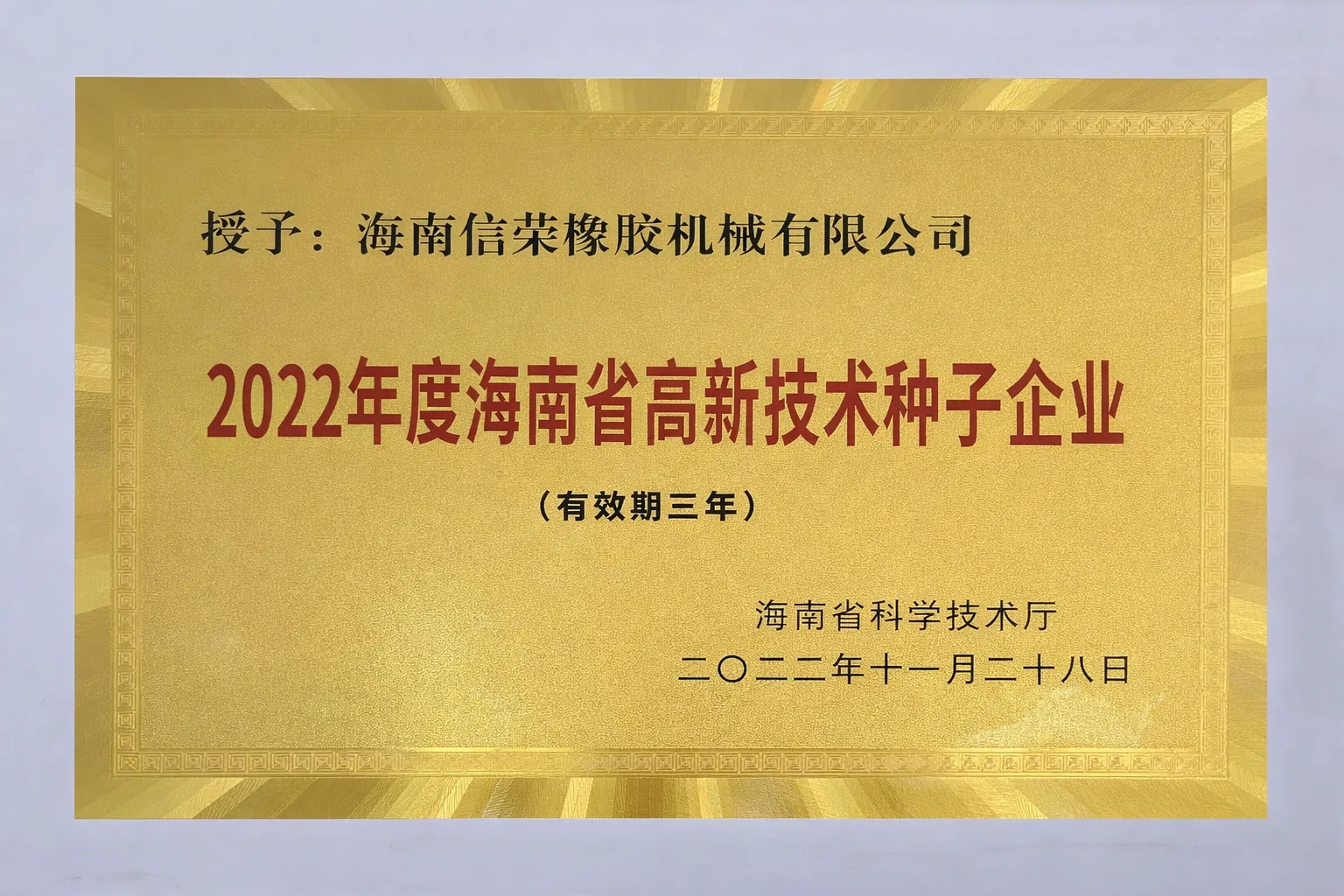
Technology innovation is a core driver. Sinyoung uses an ERP management system and a high-standard quality-control framework covering design, manufacturing, and delivery. Its experienced engineering team and continuing R&D support further automation and intelligent rubber-processing equipment.
In international markets, Sinyoung focuses on major rubber-producing regions including Africa and provides localized operation, maintenance, and technical support through experienced engineering teams. The company continually improves equipment reliability and service life for intensive, continuous production.
Drawing on more than three decades of natural-rubber experience and the similarities between natural- and synthetic-rubber packaging processes, Sinyoung has extended its automation integration, precision weighing, and intelligent-control capabilities to synthetic-rubber weighing, baling, packaging, and palletizing lines.
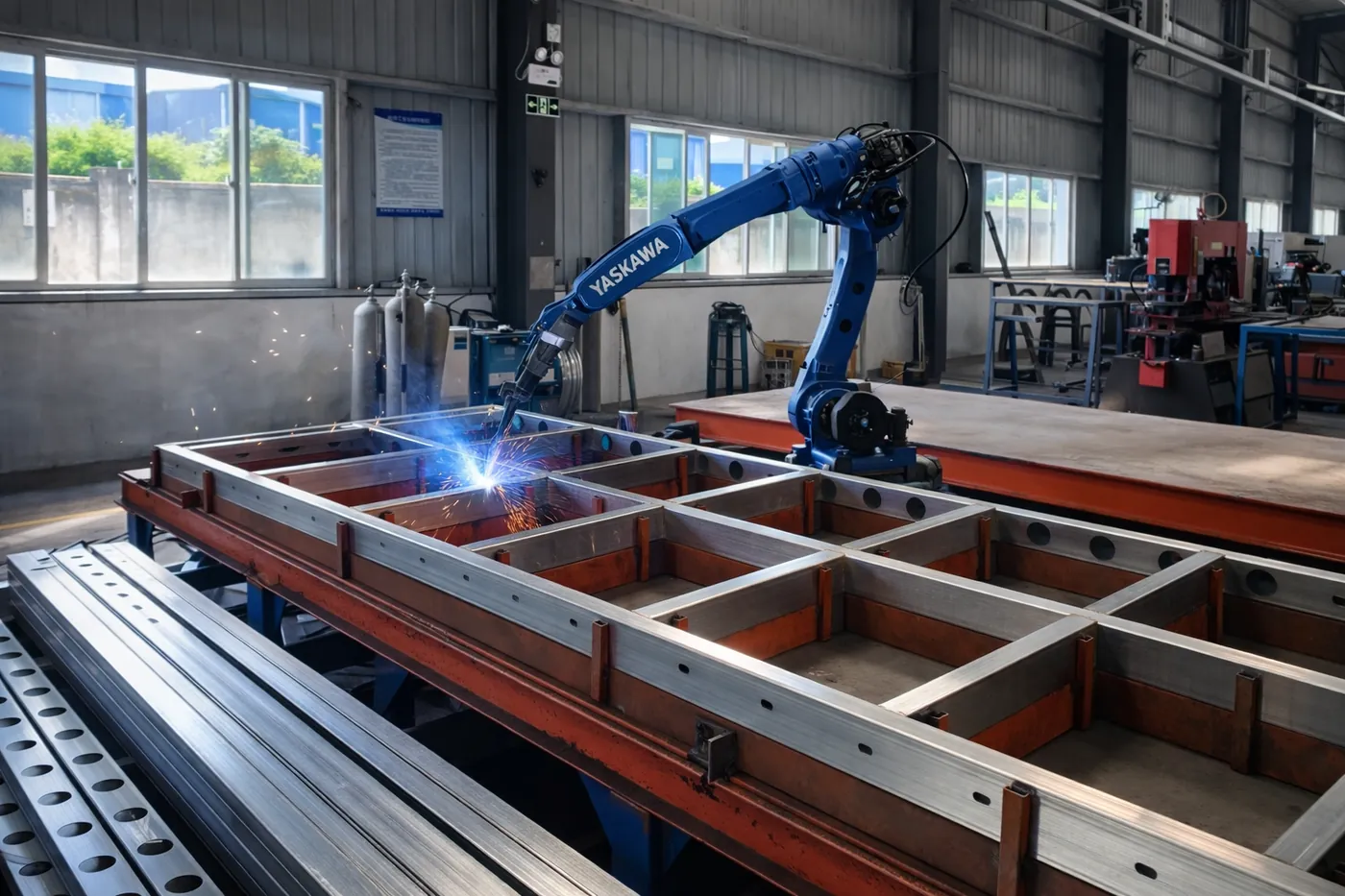
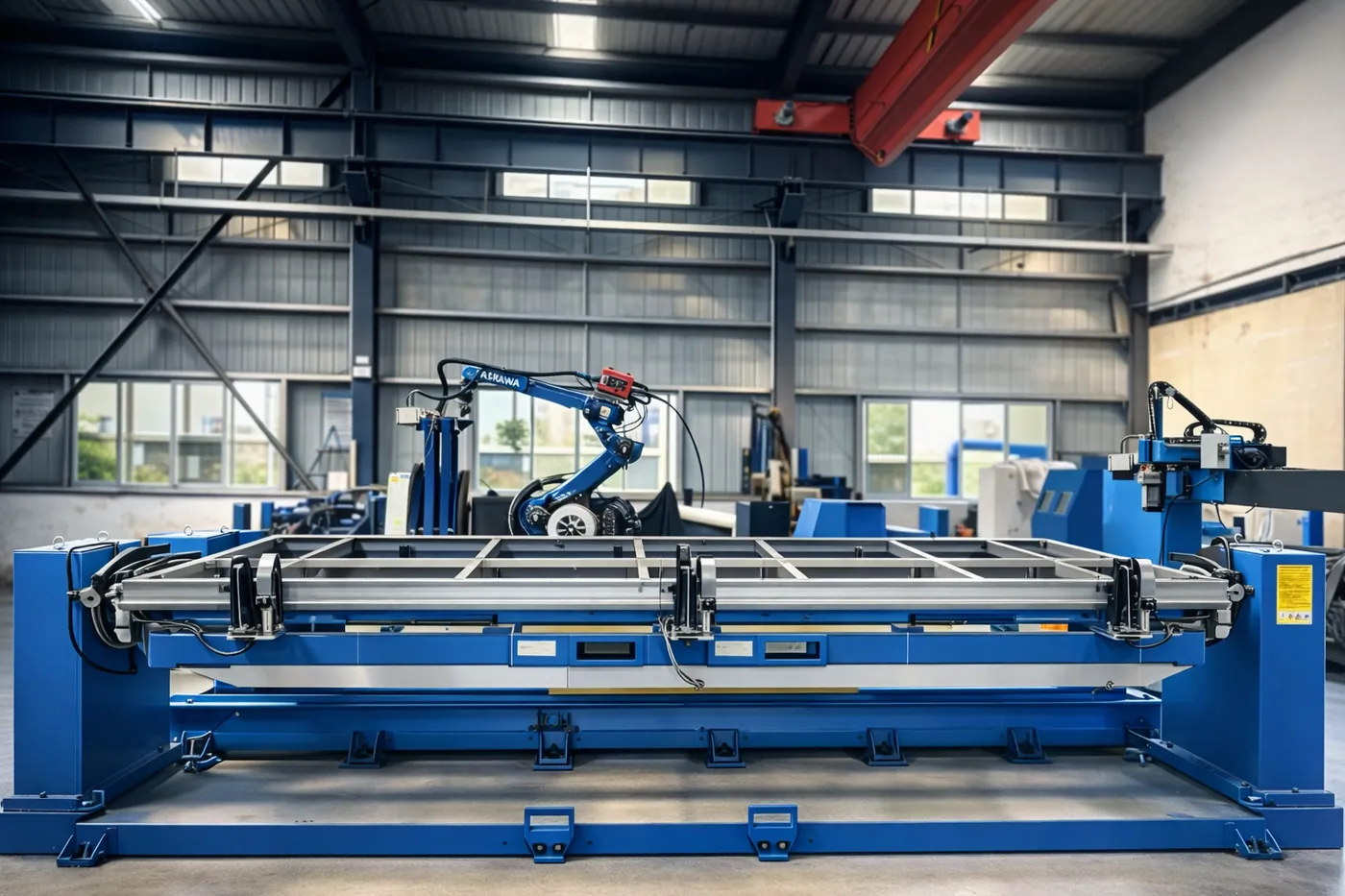
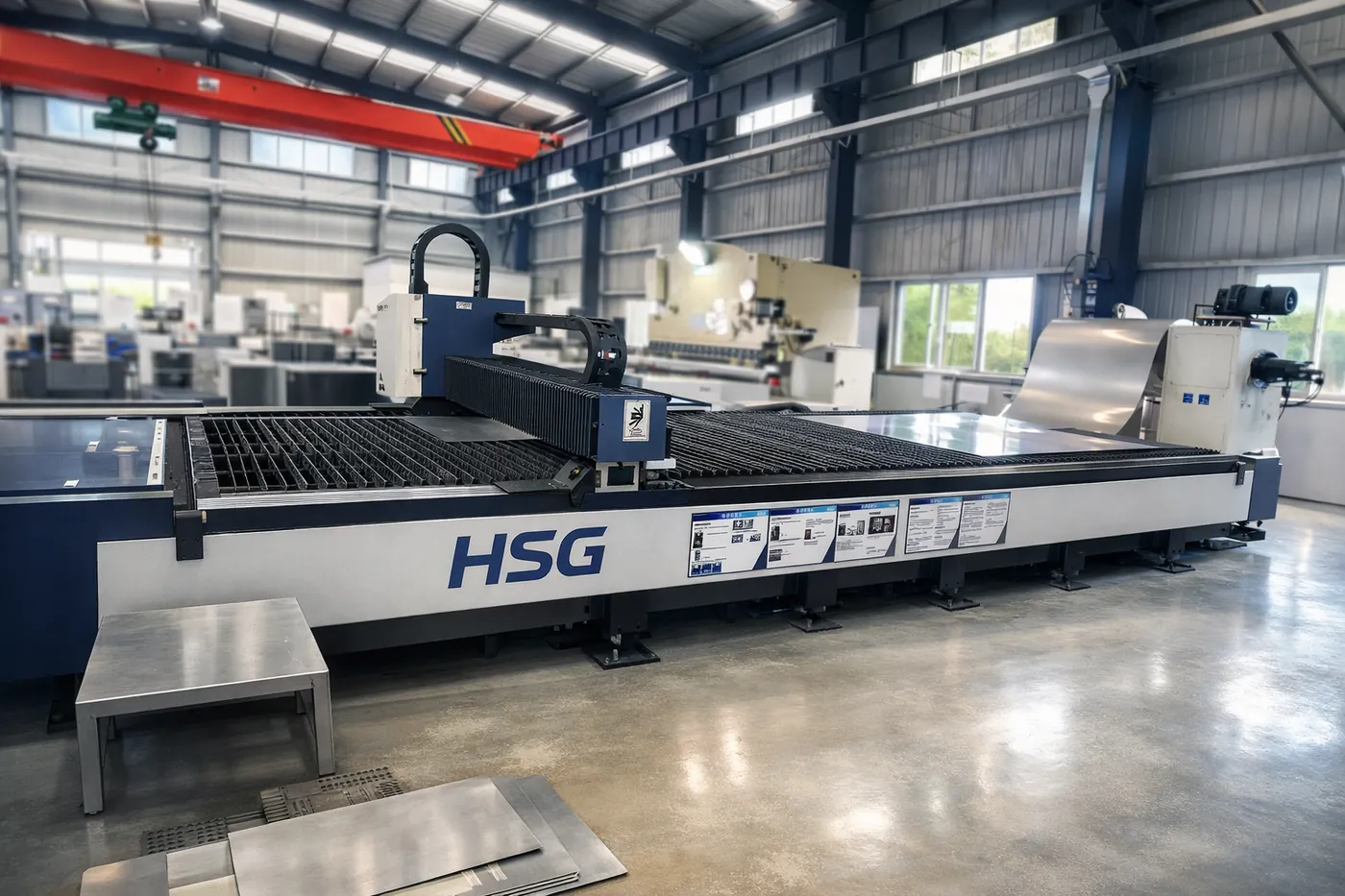
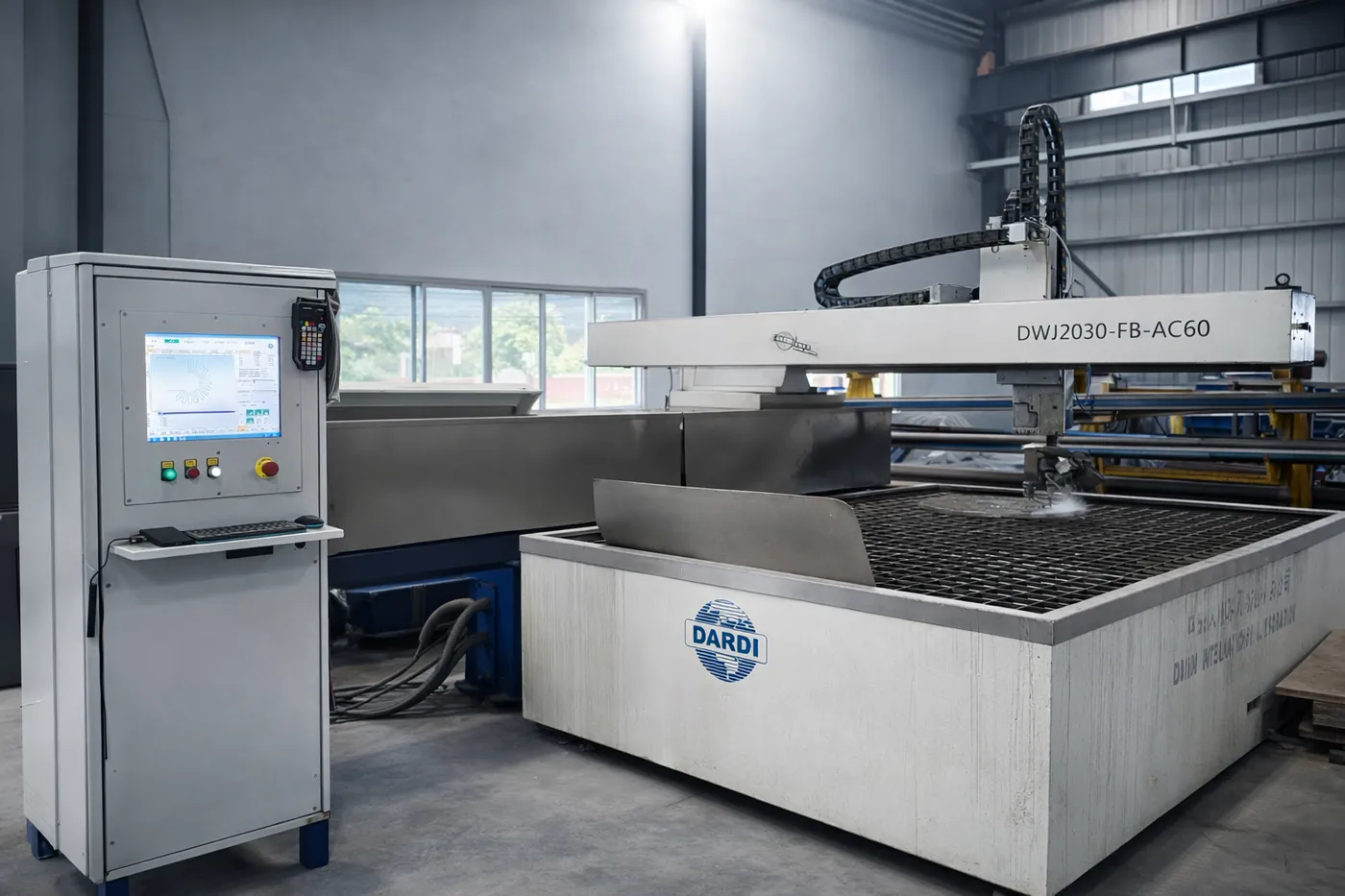
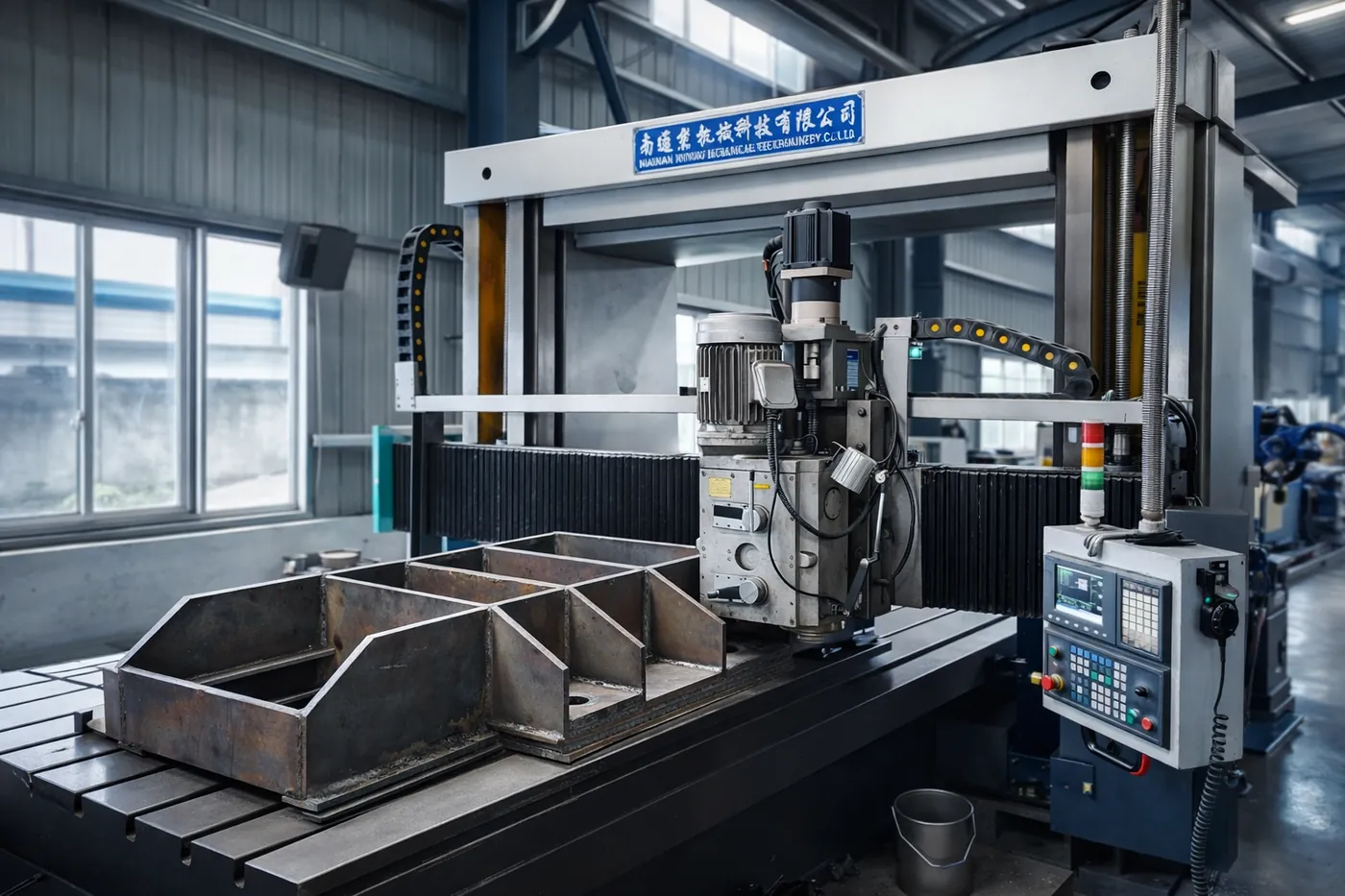
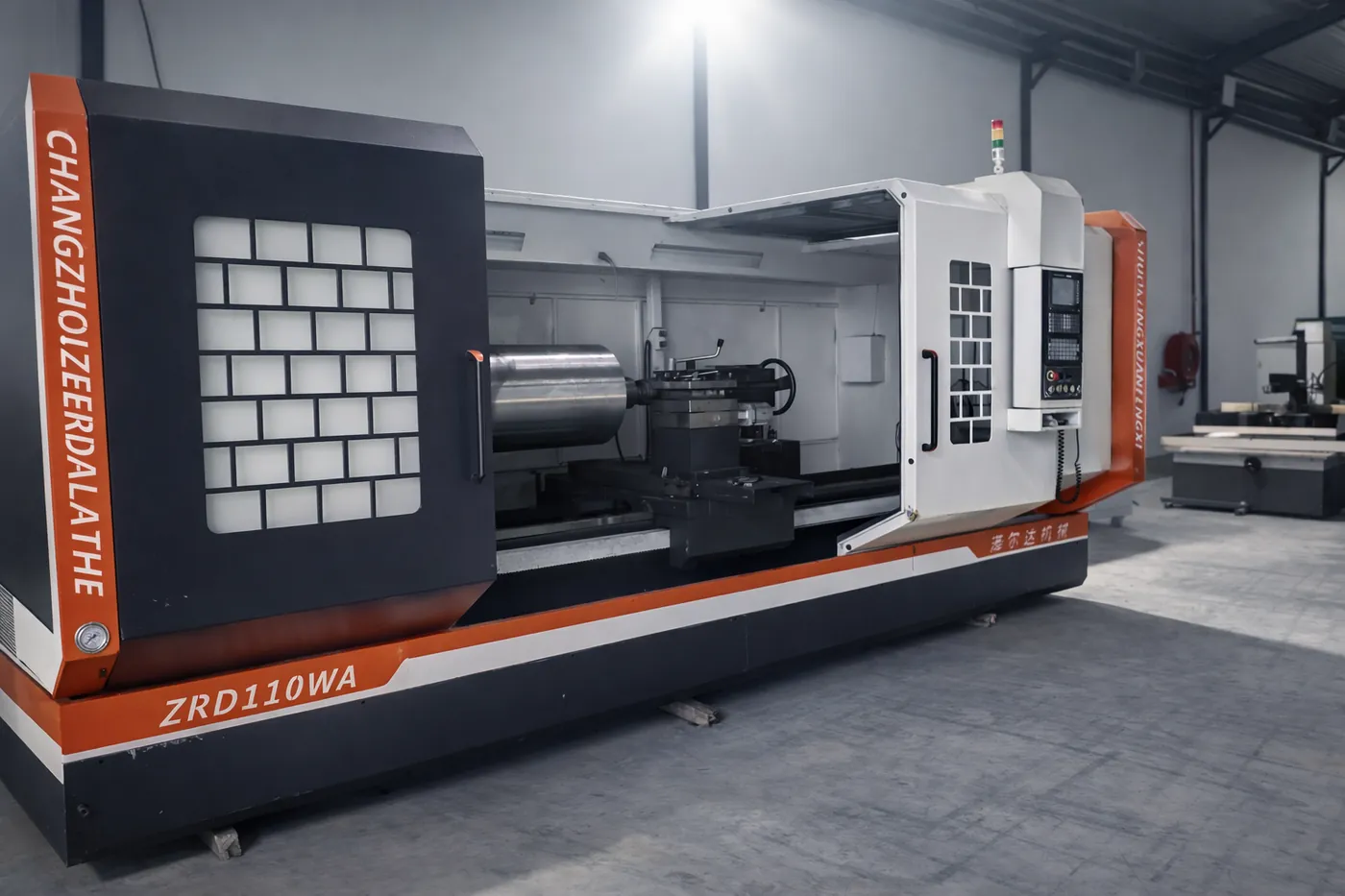
Natural Rubber Production Lines, Automatic Packaging Lines, and Synthetic Rubber Baling Systems
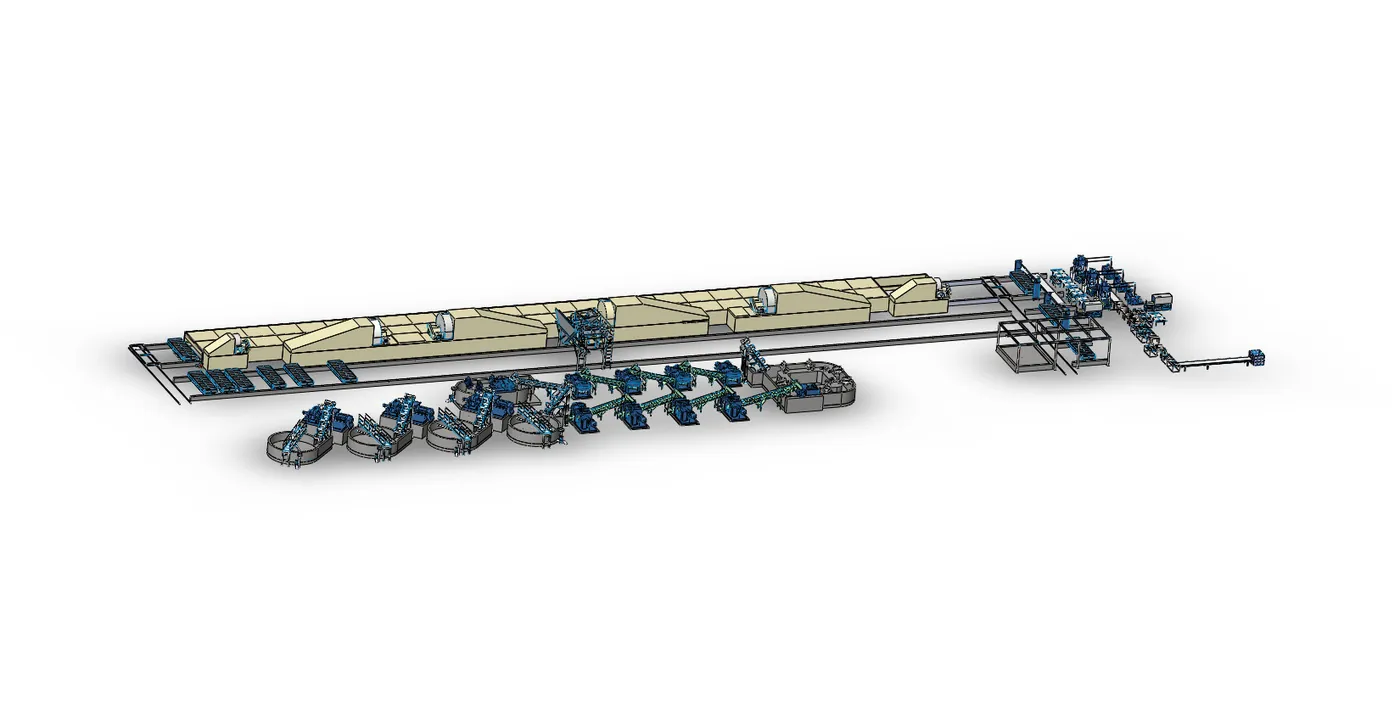
Complete natural rubber processing machinery for cup-lump preparation, wet processing, creping, shredding, trolley drying, baling, and metal inspection. Each line is engineered around feedstock, target output, fuel availability, and finished-rubber grade.
View TSR Line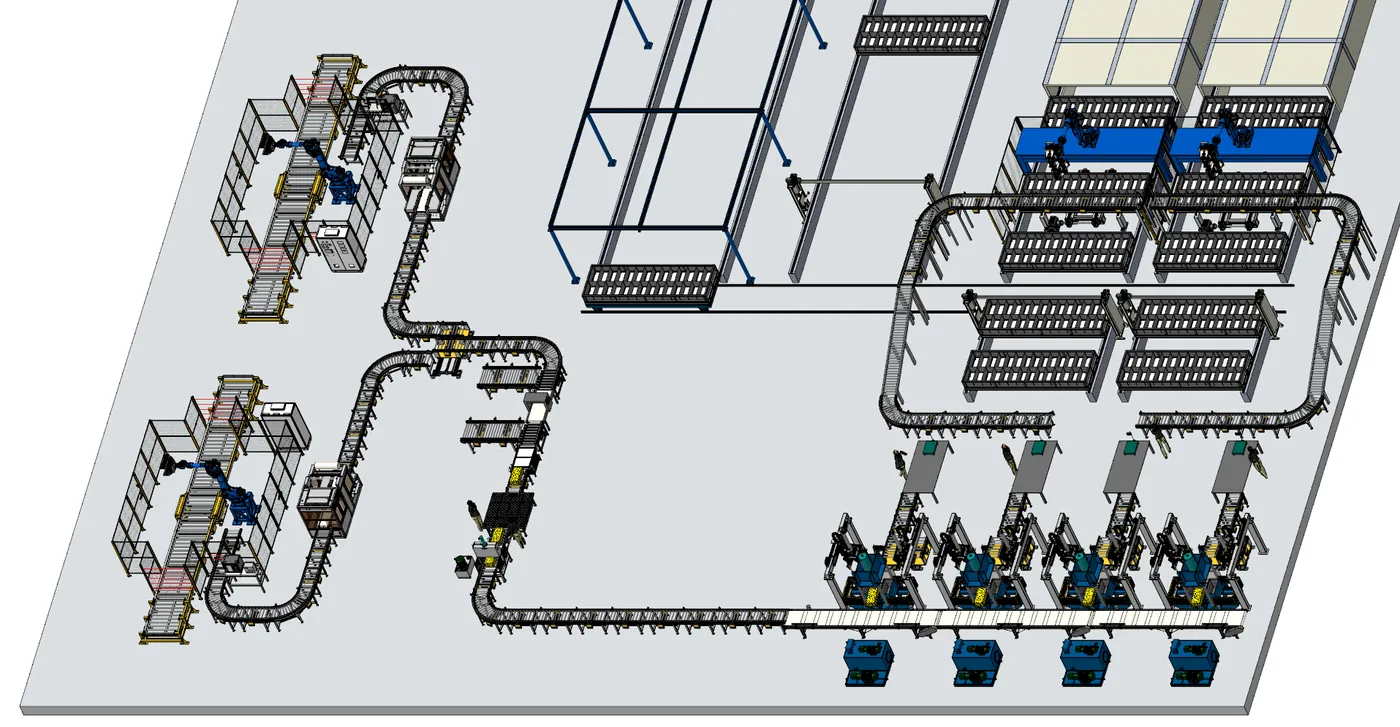
Automated rubber bale handling from dryer unloading to conveying, feeding, baling, wrapping, inspection, bale turning, and robotic palletizing, configured to the required degree of automation.
View Packaging Line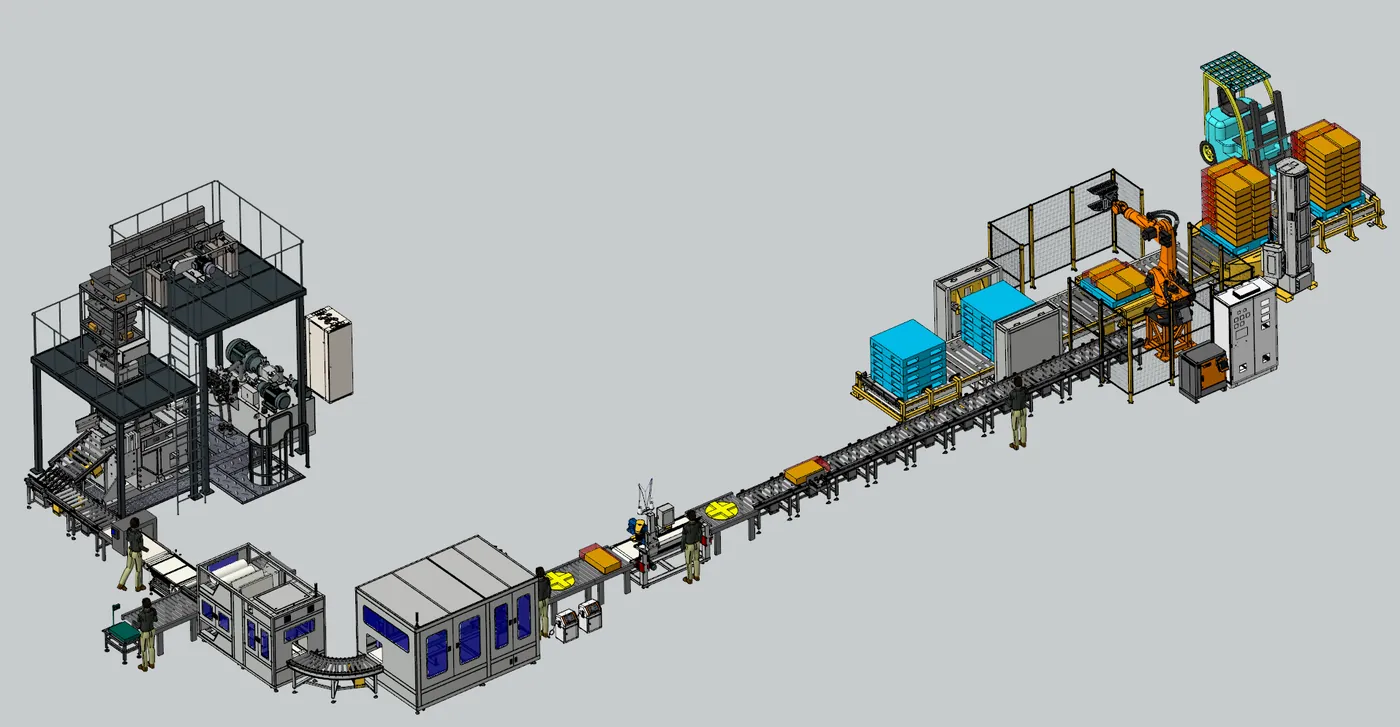
Synthetic rubber post-processing equipment for weighing, baling, film wrapping, bagging, metal inspection, conveying, and robotic palletizing, configured around rubber form and bale specification.
View Baling Line| No. | Company Name | Country | Number of Lines | Capacity |
|---|---|---|---|---|
| 1 | Mainland Group | Côte d’Ivoire | 8 | 5-10 ton/h |
| 2 | ITCA GMG | Côte d’Ivoire | 1 | 3 ton/h |
| 3 | SITH | Côte d’Ivoire | 1 | 5 ton/h |
| 4 | Greenfield | Côte d’Ivoire | 1 | 2 ton/h |
| 5 | SCA | Côte d’Ivoire | 2 | 3-5 ton/h |
| 6 | Kaili Group | Côte d’Ivoire | 3 | 5 ton/h |
| 7 | Kaimei | Côte d’Ivoire | 1 | 5 ton/h |
| 8 | STCNF | Côte d’Ivoire | 2 | 5 ton/h |
| No. | Company Name | Country | Number of Lines | Capacity |
|---|---|---|---|---|
| 1 | Kims Rubber (Cambodia) | Cambodia | 2 | 6 ton/h |
| 2 | C&D Rubber (Thailand) | Thailand | 2 | 6 ton/h |
| 3 | Fuxing Brothers (Myanmar) | Myanmar | 2 | 5 ton/h |
| 4 | Chenguang Group | Indonesia | 7 | 3-4 ton/h |
| 5 | Sanwei Rubber | Thailand | 1 | 4 ton/h |
| No. | Company Name | Number of Lines | Capacity |
|---|---|---|---|
| 1 | Hainan Rubber Group | 21 | 3-4 ton/h |
| 2 | Guangken Rubber Group | 2 | 4 ton/h |
| 3 | Yunnan State Farms Group | 7 | 3-4 ton/h |
| 4 | Gaoshen Group | 4 | 4 ton/h |
These projects cover natural-rubber production lines, automatic packaging, synthetic-rubber baling, and robotic material handling.
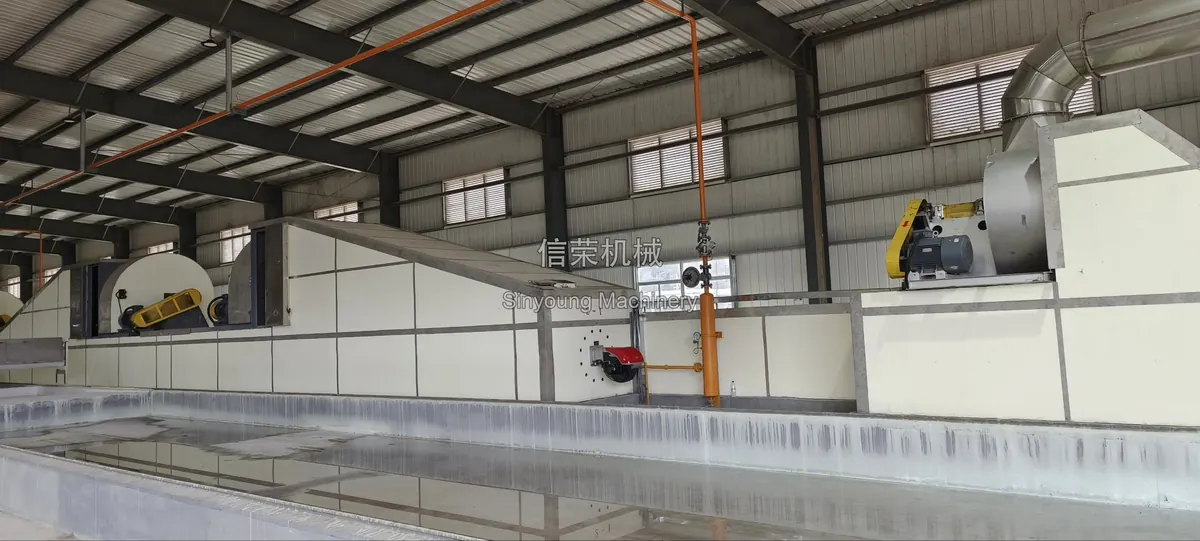
Two complete 5 t/h TSR lines; both operate at a 330-second trolley interval and actual capacity reaches 5.24 t/h per line.
View Project Details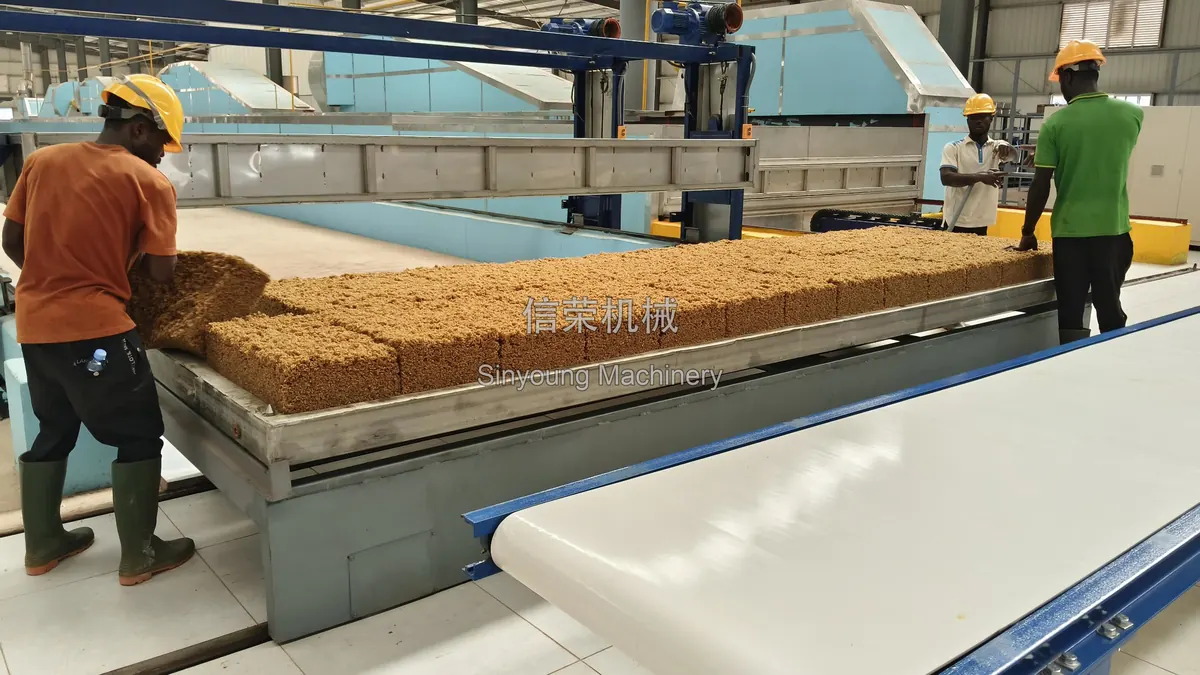
One complete 5 t/h TSR line; the trolley interval is 300 seconds and actual capacity reaches 5.76 t/h.
View Project Details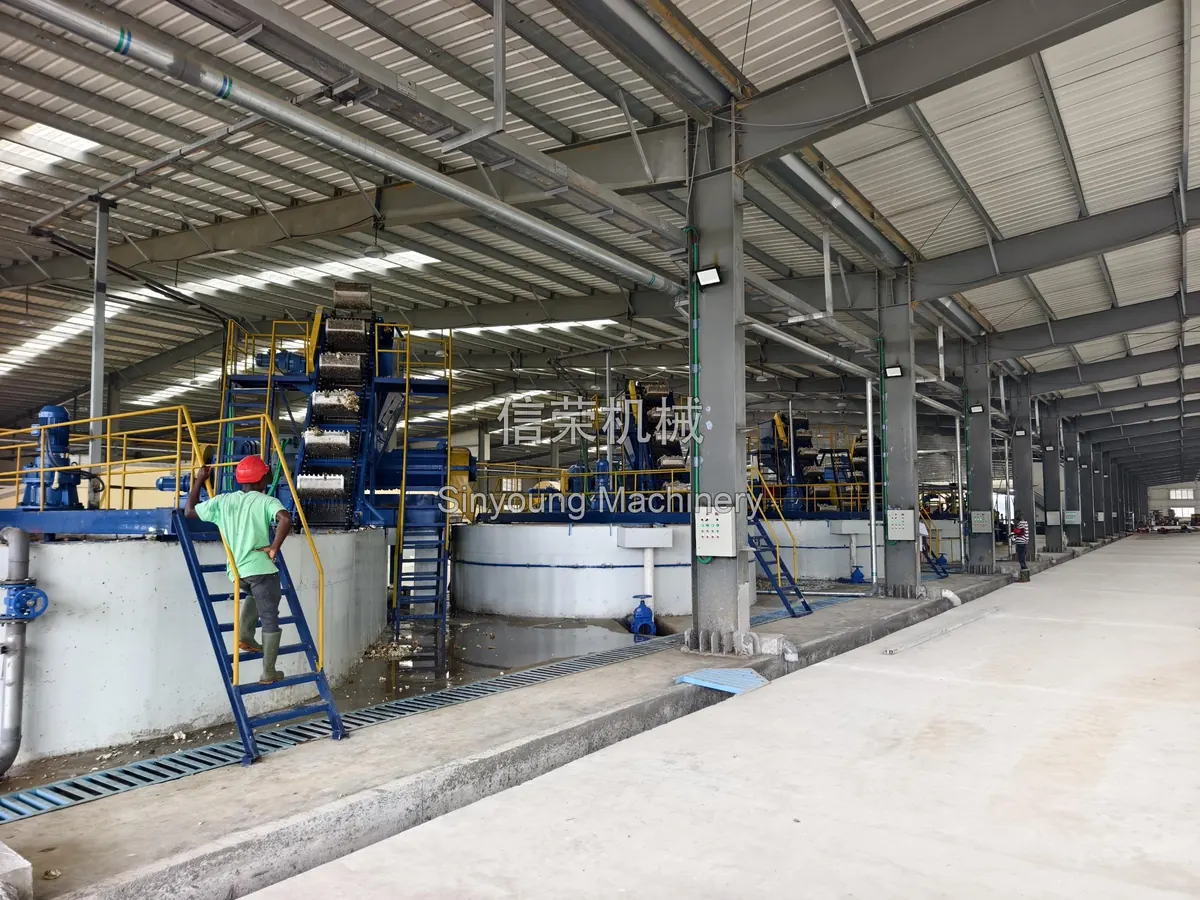
One complete 5 t/h TSR line; the trolley interval is 280 seconds and actual capacity reaches 6.2 t/h.
View Project Details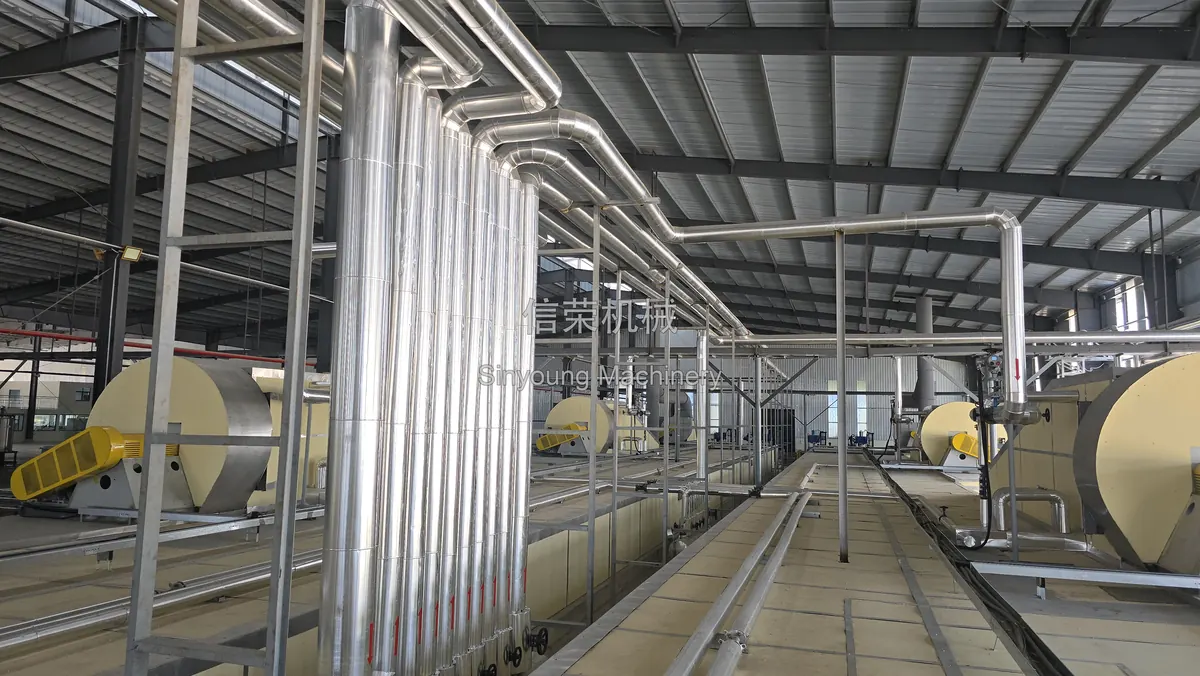
Two complete 5 t/h TSR lines; the trolley interval is 320 seconds and actual capacity reaches 5.36 t/h per line.
View Project Details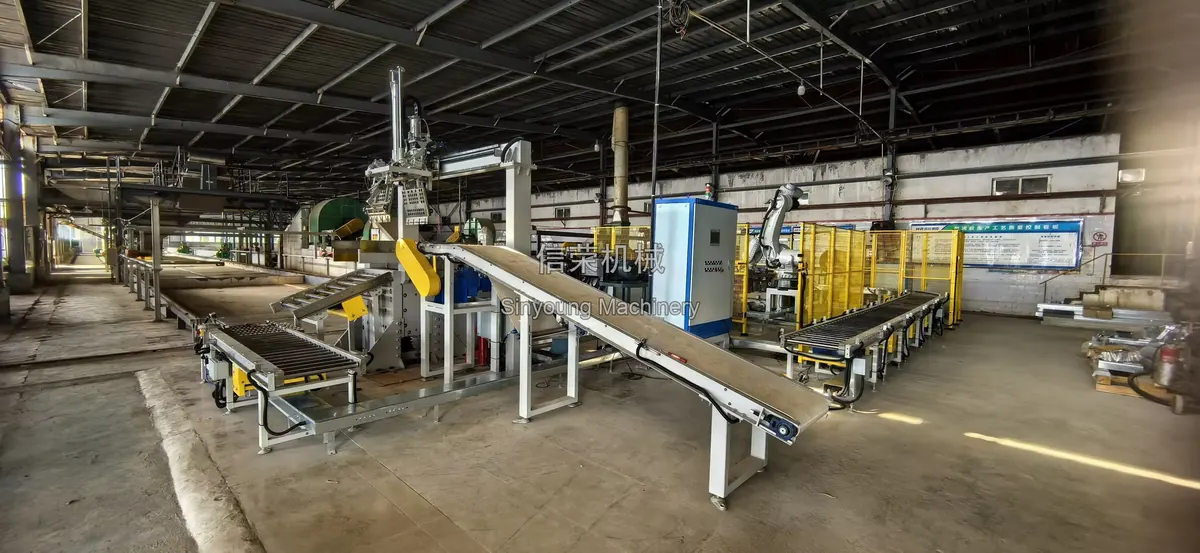
Robotic bale unloading, automatic feeding, and automatic baling and packaging.
View Project Details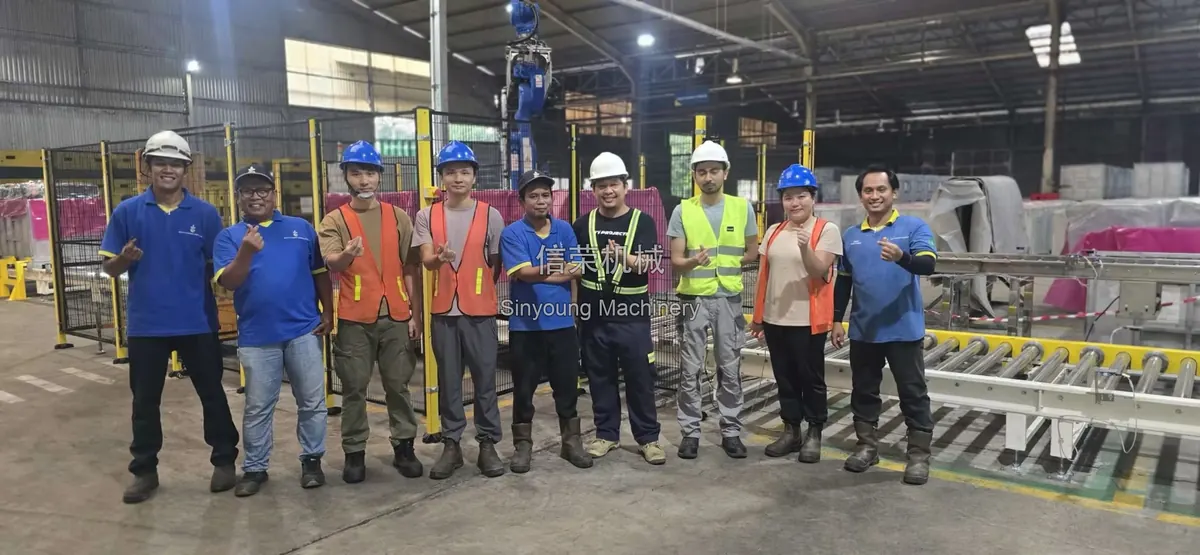
Robotic automatic palletizing and box loading.
View Project Details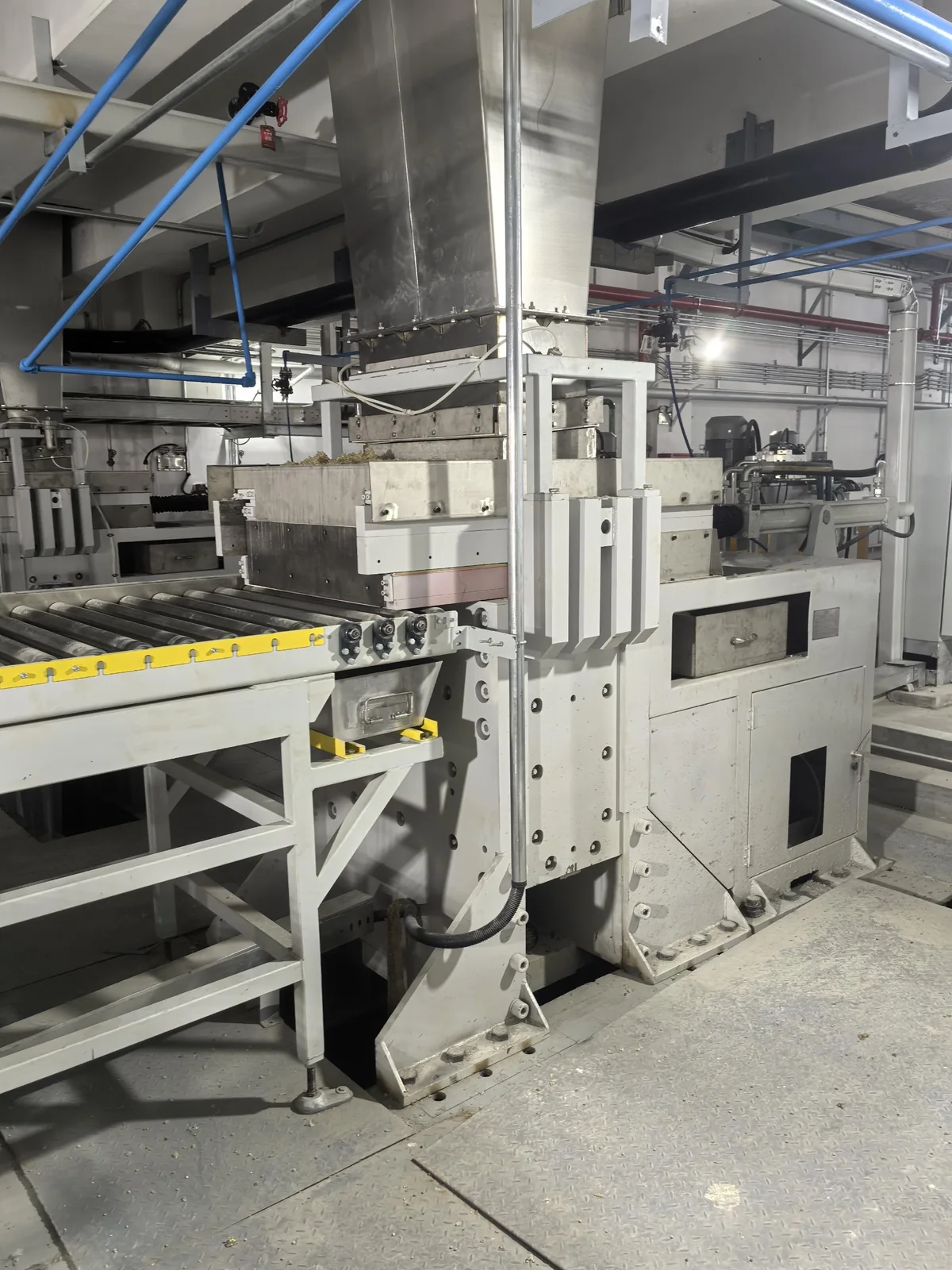
Four SPR-A1 synthetic-rubber baling presses, with a design rate of 175 bales per hour and stable annual output of 40,000 tonnes.
View Project DetailsCompany introduction and rubber-machinery manufacturing capability.
How Sinyoung helps African TSR 10 users achieve production capacity targets.
Automatic TSR bale palletizing for a Michelin rubber plant.
Sinyoung 60-stage biomass-heated dryer for TSR production.
Sinyoung synthetic-rubber baling equipment in operation.
Automatic natural-rubber bale handling, packaging, and palletizing.
| # | Patent Title | Type | Publication No. | Related Products |
|---|---|---|---|---|
| 1 | Drying Trolley Brake | Invention Patent | CN111271970B | Rubber Dryer |
| 2 | Natural Rubber Drying and Packaging Automation Device | Invention Patent | CN104494964B | TSR 10/20 Automatic Natural Rubber Packaging Line |
| 3 | Natural Rubber Bale Unloading Machine | Invention Patent | CN111332826B | Bale Unloading Machine |
| 4 | Natural Rubber Baling Press | Invention Patent | CN105058850B | Automatic Feeding Single-Chamber Baling Press |
| 5 | Annular Granulation Pool | Utility Model | CN220409308U | TSR 10/20 Natural Rubber Production Line |
| 6 | Monitoring and Alarm Device for a Baling Press Hydraulic and Electrical Control System | Utility Model | CN219738044U | Dual-Chamber Baling Press |
| 7 | Visual Fault Alarm Device for a Drying-Line Electrical Control System | Utility Model | CN219872191U | Rubber Dryer |
| 8 | Drying-Line Temperature-Control Device | Utility Model | CN220095170U | Rubber Dryer |
| 9 | Rubber Production Barrier Device | Utility Model | CN220741783U | TSR 10/20 Natural Rubber Production Line |
| 10 | Modular Tunnel-Type Natural Rubber Drying Cabinet | Utility Model | CN211729829U | Rubber Dryer |
| 11 | Natural Rubber Drying-Cabinet Panel Suitable for Batch Production | Utility Model | CN211680569U | Rubber Dryer |
| 12 | Creper with a Pressure Roller | Utility Model | CN206123995U | Creper |
| 13 | Feed Roller for a Rubber Shredder | Utility Model | CN213198375U | Shredder |
| 14 | Top-Cover Oil Application and Cleaning Device for a Natural Rubber Baling Press | Utility Model | CN205291366U | Automatic Feeding Single-Chamber Baling Press |
| 15 | Feeding Manipulator Clamp Plate for a Natural Rubber Baling Press | Utility Model | CN205291347U | Automatic Feeding Single-Chamber Baling Press |
| 16 | Synchronous Adjustment Device for a Natural Rubber Shredder Fixed-Knife Plate | Utility Model | CN217663752U | Shredder |
2013 · Haikou City SME Development Fund Project
2014 · Haikou City Key Science and Technology Program
2015 · Haikou City Technology-Based SME Innovation Project
2015 · Hainan Province Industry–University–Research Integration Program
2020 · Hainan Province Department of Science and Technology — Science and Technology Assistance 2020 Key Special Project
2022 · Haikou City Key Science and Technology Program
Practical guidance for natural rubber processing and equipment selection.
Main process stages, control points and equipment configuration principles.
Read articleA clear process map covering wet processing, drying, inspection and packaging.
Read articleDirect answers on dryers, creping, capacity, packaging and automation.
View Q&A


Project inquiry
Share your feedstock, target output, finished-rubber specification, energy conditions, and required automation. Information sent through this form is delivered to our engineering sales team and handled under our Privacy Policy.
Prefer to write directly? [email protected]